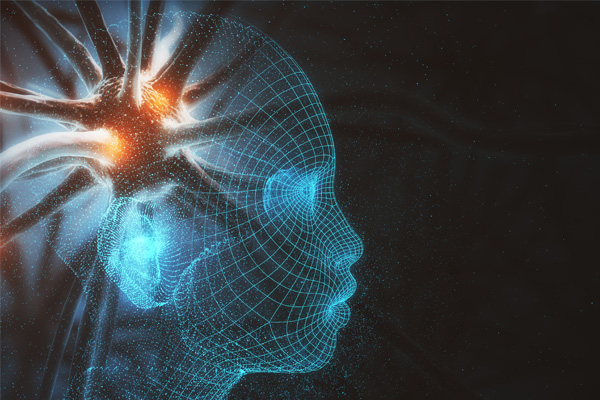
The nervous system is one of the most important systems in the human body. It controls communication between the brain, spinal cord, and nerves. Every movement, feeling, thought, and reaction depends on the nervous system working properly.
The nervous system is divided into two main parts. The central nervous system includes the brain and spinal cord. The peripheral nervous system includes the nerves that travel throughout the body. Together, they help control breathing, heart rate, digestion, movement, balance, and sensation.
Why Therapists Study the Nervous System
For therapists, learning about the nervous system is an important part of professional training. It helps us understand how the body responds to stress, relaxation, touch, emotions, and the environment around us.
Understanding the nervous system also helps therapists work more safely and professionally. It allows therapists to recognise how stress affects the body and why relaxation is such an important part of health and wellbeing.
Stress and the Body
Many people today live with ongoing stress, anxiety, tension, and fatigue. When the body feels stressed for long periods, the nervous system can become overloaded. This may affect sleep, mood, concentration, energy levels, and physical wellbeing.
Stress can affect both the mind and body. This is why many people look for ways to relax, rest, and support their overall wellbeing.
How Holistic Therapy Can Help
Many clients find holistic therapies calming and supportive. Treatments such as massage, reflexology, aromatherapy, and relaxation therapies may help encourage the body to slow down and relax.
A calm environment, gentle touch, and time to rest can all help support overall wellbeing. While therapies cannot replace medical treatment, they may help clients feel calmer, more balanced, and more relaxed.
Final Thoughts
Learning anatomy and physiology gives therapists a stronger understanding of the body as a whole. The nervous system is only one part of this, but it plays a major role in both physical and emotional health.
A good therapist should always continue learning, developing knowledge, and understanding how the body works together as one connected system.
For further information on our Anatomy and Physiology Courses, or our Pathology Courses and other Short Courses, please click on the link. If you have any questions, please don’t hesitate to contact us via our contact page.