What Is the Circulatory System?
The circulatory system is responsible for moving blood around the body. It plays a vital role in keeping us alive, healthy, and functioning properly every single day.
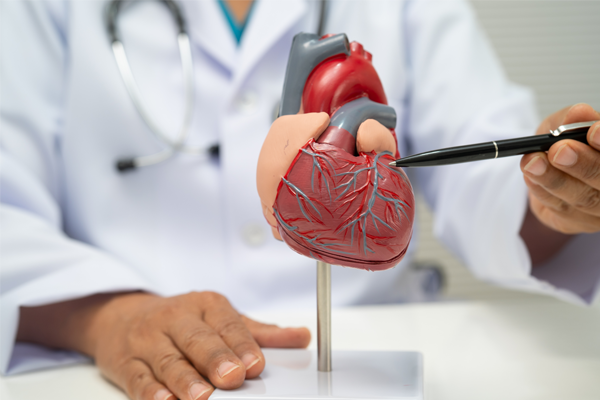
The circulatory system is made up of the heart, blood, and blood vessels. Together, they work constantly to transport important substances throughout the body. Without the circulatory system, the body would not receive the oxygen and nutrients it needs to survive.
Many students studying anatomy and physiology are surprised by just how much the circulatory system does within the body.
What Does the Circulatory System Do?
The circulatory system has several important functions. One of its main jobs is transporting oxygen from the lungs to the body’s tissues and organs. It also carries nutrients which help support growth, repair, and energy.
Another important role is removing waste products, such as carbon dioxide, from the body. The circulatory system also helps regulate body temperature and supports the immune system.
The heart works as a powerful pump, while blood vessels carry blood throughout the body. Every part of the circulatory system works together to help maintain balance and overall wellbeing.
Why Therapists Learn About the Circulatory System
Therapists need to understand circulation because massage and bodywork can influence blood flow and relaxation. Having a good understanding of the circulatory system helps therapists work more safely and professionally.
Learning about circulation also helps therapists understand why clients may experience warmth, relaxation, or changes in tension during and after treatments.
Understanding anatomy and physiology gives therapists stronger professional knowledge and helps support safe working practices.
The Importance of Professional Knowledge
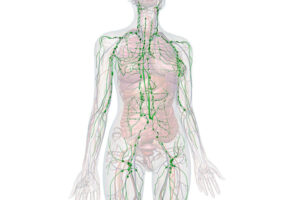
A professional therapist should always continue learning about the body and how different systems work together. The circulatory system works closely with many other systems, including the respiratory and lymphatic systems.
This knowledge helps therapists feel more confident when working with clients and supports better professional standards within the therapy industry.
Final Thoughts
The circulatory system may sound scientific at first, but learning the basics can make anatomy and physiology much easier to understand. It is an important part of therapist training and helps build stronger professional knowledge and confidence.
For further information on our Anatomy and Physiology Courses, or our Pathology Courses and other Short Courses, please click on the link. If you have any questions, please don’t hesitate to contact us via our contact page.