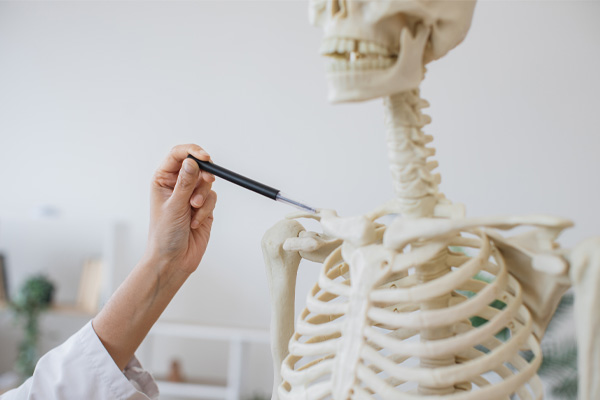
The skeletal system forms the framework of the body. It gives the body shape, support, and structure. Without bones, the body would not be able to stand upright, move properly, or protect important organs.
The adult human body contains over 200 bones. These bones work together with the muscles and joints to help the body move safely and efficiently.
Many students are surprised to learn how important the skeletal system is within anatomy and physiology.
What Does the Skeleton Do?
The skeleton has several important functions within the body. One of its main jobs is supporting the body and helping us maintain posture and balance.
The skeletal system also protects important organs. For example, the skull helps protect the brain, while the rib cage protects the heart and lungs.
Another important role of the skeleton is helping movement. Bones work together with muscles and joints to allow the body to bend, stretch, walk, and move.
The skeletal system also produces blood cells inside the bone marrow and stores important minerals such as calcium and phosphorus.
Why Therapists Study the Skeletal System
Understanding the skeletal system is an important part of therapist training. It helps therapists understand posture, joint movement, body alignment, muscle attachment, and areas of tension within the body.
This knowledge supports safer and more professional treatments. It also helps therapists understand how the body moves and why clients may experience discomfort, stiffness, or restricted movement.
Massage therapists, sports therapists, and holistic therapists all benefit from learning about the skeletal system.
Learning Anatomy Step by Step
Many students worry about learning anatomy and physiology, especially when they first begin studying. However, students do not need to memorise every bone immediately.
Learning anatomy works best step by step. As knowledge grows, understanding becomes easier and confidence improves over time.
Professional training should always support students in learning gradually and building knowledge in a clear and simple way.
Final Thoughts
The skeletal system provides the foundation of the body and plays a key role in anatomy and physiology training. Understanding how the skeleton works helps therapists develop stronger professional knowledge, safer working practices, and greater confidence when supporting clients.
For further information on our Anatomy and Physiology Courses, or our Pathology Courses and other Short Courses, please click on the link. If you have any questions, please don’t hesitate to contact us via our contact page.