If you are thinking about studying anatomy and physiology, you may be wondering what the course actually involves.
Many students imagine complicated medical textbooks and difficult scientific language.
But good anatomy and physiology training should explain the body clearly and in a way that feels manageable.
Learning About the Human Body
An anatomy and physiology course helps students understand the structure and function of the body.
This usually includes learning about:
- Bones
- Muscles
- Organs
- Skin
- Cells
- Body systems
- Joints
- Movement
Students also learn how different systems work together.
Common Body Systems Covered
Most anatomy and physiology courses include areas such as:
- Skeletal system
- Muscular system
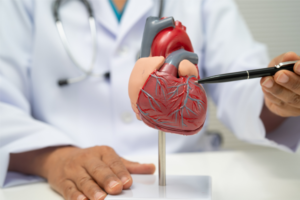
- Circulatory system
- Respiratory system
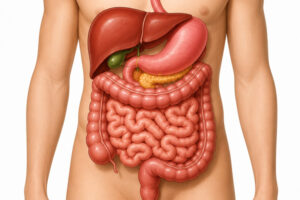
- Digestive system
- Nervous system
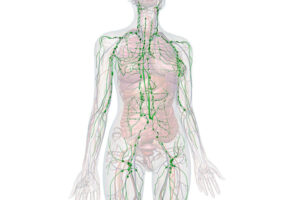
- Lymphatic system
- Endocrine system
Each system plays an important role within the body.
Why This Knowledge Matters
For therapists, understanding the body helps treatments become safer and more professional.
Students begin to understand:
- Why muscles become tight
- How posture affects the body
- Why certain conditions may affect treatment
- How the body responds to therapy
This knowledge supports better client care.
Learning Step by Step
Many students worry they will struggle to remember everything.
But anatomy and physiology is usually learned gradually.
Good courses break information down into smaller sections so students can build understanding over time.
Online Learning Makes It Flexible
Online anatomy and physiology courses allow students to:
- Learn at home
- Revisit lessons
- Study at their own pace
- Build confidence gradually
- Fit learning around everyday life
This flexibility can help reduce pressure.
Final Thoughts
An anatomy and physiology course helps students understand the human body in a practical and professional way.
It builds the knowledge that supports safe therapy practice and greater confidence working with clients.
For further information on our Anatomy and Physiology Courses, or our Pathology Courses and other Short Courses, please click on the link. If you have any questions, please don’t hesitate to contact us via our contact page.